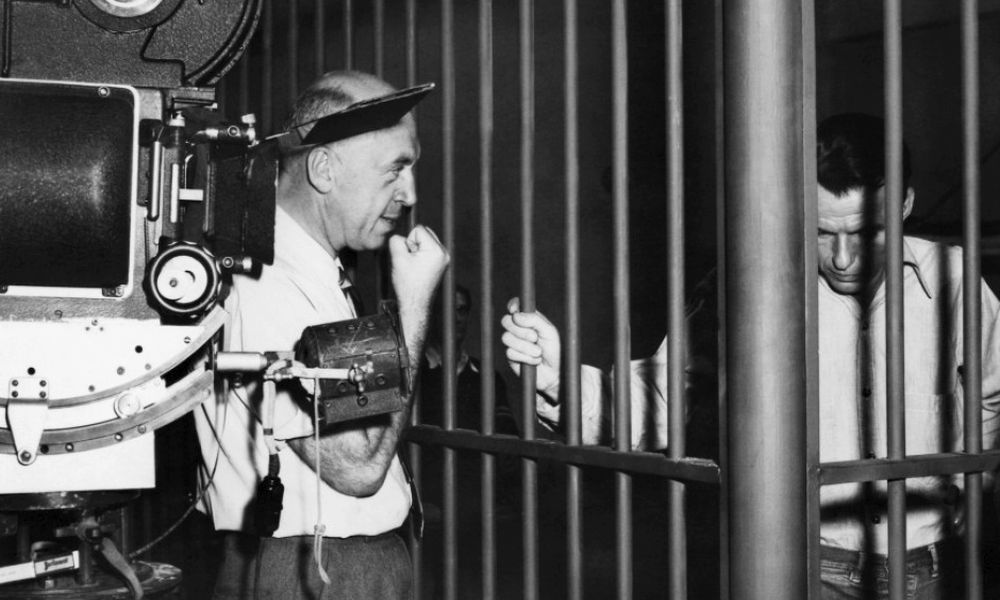
"In his finest achievements, Preminger leaves his audience in no doubt as to where he stands, thanks to an acute sense of what details matter and rigorous use of the camera. His awareness of the complexities of human psychology - that famous "ambiguity" - is why his characters are seldom cut and dried." - Reynold Humphries (501 Movie Directors, 2007)
Otto Preminger
Director / Producer / Actor
(1905-1986) Born December 5, Wiznitz, Bukovina, Austria-Hungary (now Wyschnyzja, Ukraine)
Top 250 Directors / 50 Key Noir Directors
(1905-1986) Born December 5, Wiznitz, Bukovina, Austria-Hungary (now Wyschnyzja, Ukraine)
Top 250 Directors / 50 Key Noir Directors
Key Production Country: USA
Key Genres: Drama, Romance, Mystery, Psychological Thriller, Film Noir, Comedy, Romantic Drama, Melodrama, Historical Film, War Drama, Musical, Political Drama
Key Collaborators: Louis Loeffler (Editor), Lyle Wheeler (Production Designer), Sam Leavitt (Cinematographer), Joseph LaShelle (Cinematographer), Dana Andrews (Leading Actor), Leon Shamroy (Cinematographer), David Raksin (Composer), Gene Tierney (Leading Actress), Burgess Meredith (Character Actor), Linda Darnell (Leading Actress), Charles Bickford (Leading Actor), Wendell Mayes (Screenwriter)
Key Genres: Drama, Romance, Mystery, Psychological Thriller, Film Noir, Comedy, Romantic Drama, Melodrama, Historical Film, War Drama, Musical, Political Drama
Key Collaborators: Louis Loeffler (Editor), Lyle Wheeler (Production Designer), Sam Leavitt (Cinematographer), Joseph LaShelle (Cinematographer), Dana Andrews (Leading Actor), Leon Shamroy (Cinematographer), David Raksin (Composer), Gene Tierney (Leading Actress), Burgess Meredith (Character Actor), Linda Darnell (Leading Actress), Charles Bickford (Leading Actor), Wendell Mayes (Screenwriter)
"The public persona of Austrian-born Otto Preminger has epitomized for many the typical Hollywood movie director: an accented, autocratic, European-born disciplinarian who terrorized his actors, bullied his subordinates, and spent millions of dollars to ensure that his films be produced properly, although economically. Before the Cahiers du Cinéma critics began to praise Preminger, it may have been this public persona, more than anything else, which impeded an appreciation of Preminger's extraordinarily subtle style or thematic consistencies." - Charles Derry (International Dictionary of Films and Filmmakers, 1991)
"In the 60s, Preminger made a comfortable transition to the wide-screen format, which seemed to agree with his preference for long takes and camera movement over cutting and reaction shots. Although no consistent theme is discernible in his pictures, there are some basic ingredients that are common to most, such as the objective camera viewpoint and a fascination with the duality and ambiguity of character." - The MacMillan International Film Encyclopedia, 1994
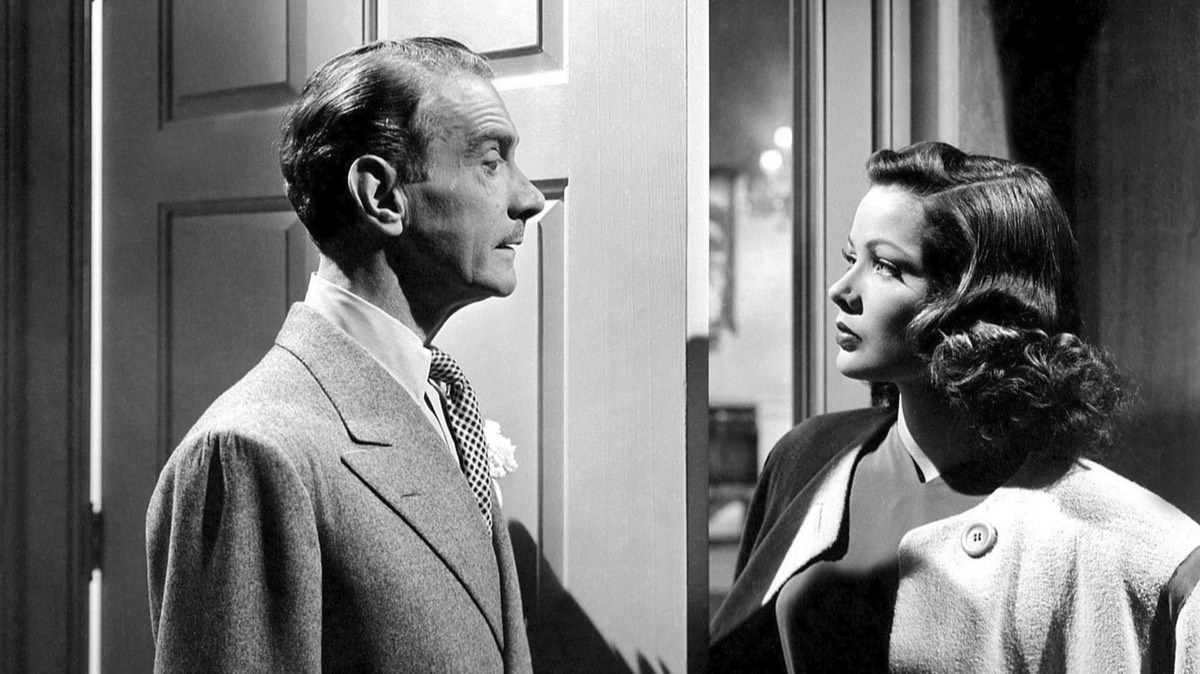
Laura (1944)
"Preminger's was an uneven career, but at its best, his probing scepticism served to undermine initial prejudices about characters and ethics; no one was without reasons for his behaviour, no issue open-and-shut. Reflecting this refusal to condone easy judgements, his camera style was mostly subtle and discreet, balancing conflicting characters within the frame, observing gestures and glances without emphasis." - Geoff Andrew (The Director's Vision, 1999)
"His films boldly tackled controversial themes such as drug addiction, rape, Jewish repatriation, homosexuality and racism." - Chambers Film Factfinder, 2006
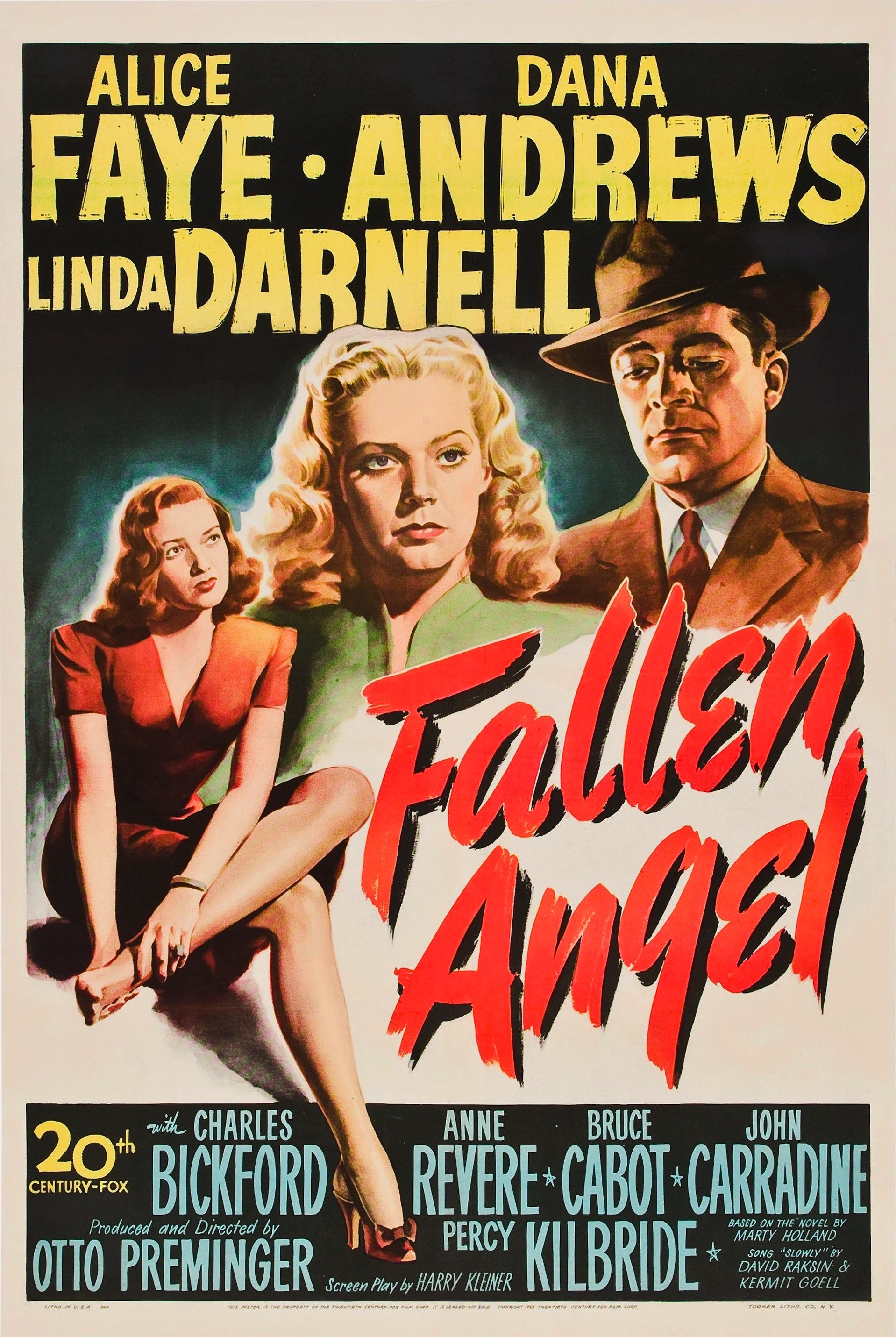
"Preminger turned the postwar Fox thriller away from urban neo-realism to an interest in people under pressure and a series of fascinating character studies: in Whirlpool, Where the Sidewalk Ends, and The 13th Letter; our pre-disposition to take sides is undercut by the all-round picture of people… Just as the thrillers defy expectations, so his two women's pictures - Fallen Angel and Daisy Kenyon - treat melodrama with an extraordinary lack of hysteria. Alone among Hollywood directors, Preminger triumphs in that genre by deflecting it." - David Thomson (The New Biographical Dictionary of Film, 2002)
"The best films of Otto Preminger, made in the US from 1935, are moody crime melodramas, using a cool, interrogatory method." - Ronald Bergan (Film - Eyewitness Companions, 2006)
"A filmmaker of epic tales and low-key suspense dramas which examine relationships between people while they solve crimes, Preminger is at his apex with middle-budget psychological stories fraught with complex violence." - William R. Meyer (The Film Buff's Catalog, 1978)
"I do not welcome advice from actors, they are here to act." - Otto Preminger
Selected Filmography
{{row.titlelong}}
GF Greatest Films ranking (★ Top 1000 ● Top 2500)
T TSPDT N 1,000 Noir Films
R Jonathan Rosenbaum S Martin Scorsese
T TSPDT N 1,000 Noir Films
R Jonathan Rosenbaum S Martin Scorsese
Otto Preminger / Fan Club
José Luis Guarner, Dan Sallitt, Miguel Marías, Martin Scorsese, Michel Mourlet, Jesús Cortés, Chris Fujiwara, Olivier Eyquem, David Meeker, Glenn Kenny, Adrian Martin, Filipe Furtado.
José Luis Guarner, Dan Sallitt, Miguel Marías, Martin Scorsese, Michel Mourlet, Jesús Cortés, Chris Fujiwara, Olivier Eyquem, David Meeker, Glenn Kenny, Adrian Martin, Filipe Furtado.
"Fan Club"
These film critics/filmmakers have, on multiple occasions, selected this director’s work within film ballots/lists that they have submitted.
These film critics/filmmakers have, on multiple occasions, selected this director’s work within film ballots/lists that they have submitted.