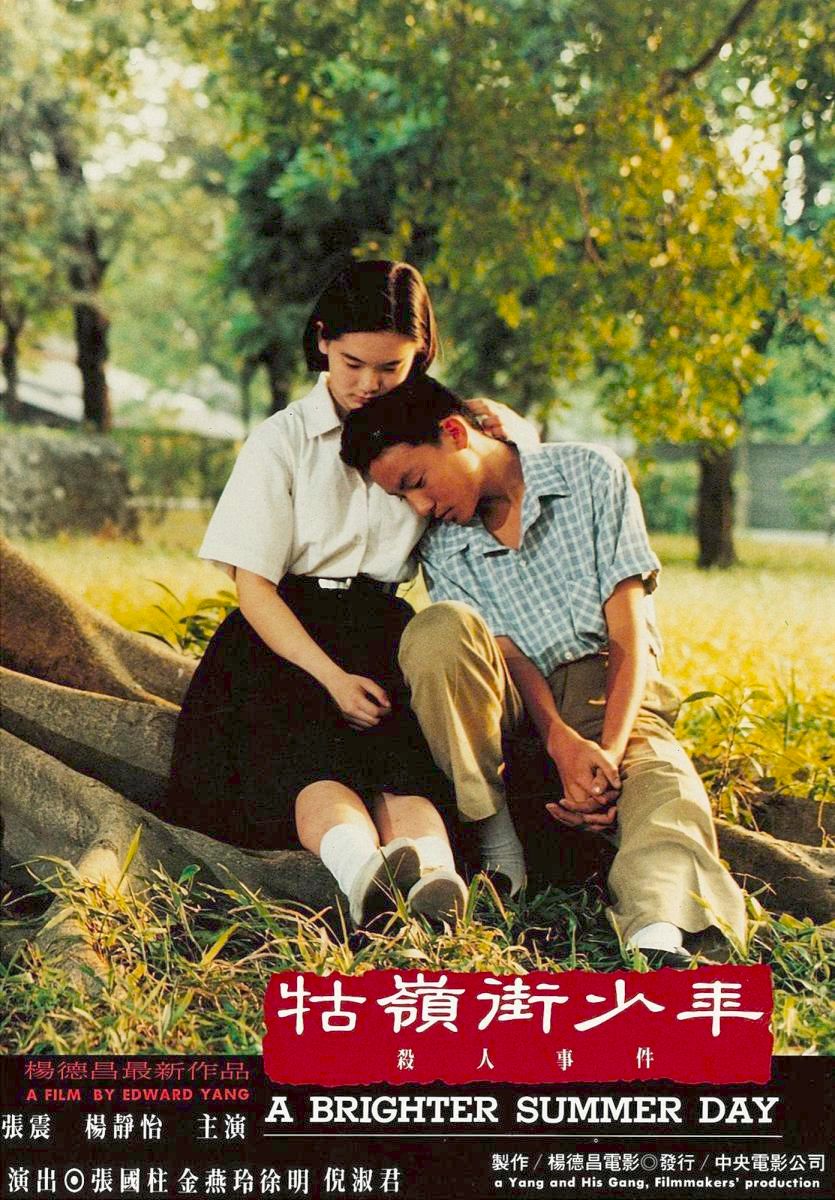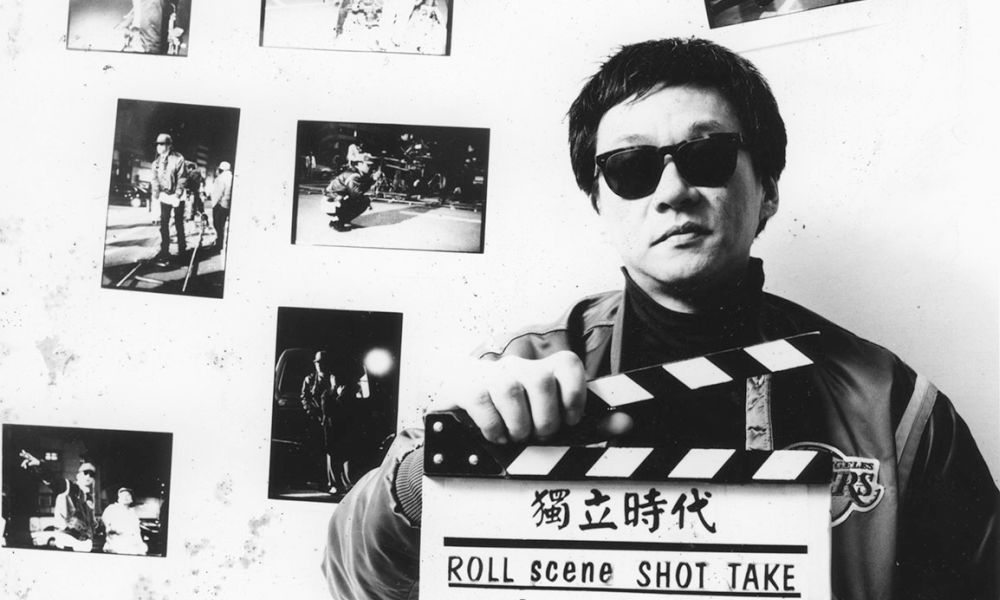
"Influenced by modernist European art cinema, Yang made long films with large casts, but eschewed the epic to concentrate on the accretion of behavioural detail. As has been pointed out, his material has more in common with Western soaps than with Western movies. It is the stuff of everyday life." - Tom Charity (The Rough Guide to Film, 2007)
Edward Yang
Key Production Country: Taiwan
Key Genres: Drama, Family Drama, Psychological Drama, Ensemble Film, Crime, Coming-of-Age
Key Collaborators: Elaine Jin (Leading Actress), Chen Po-Wen (Editor), Wu Nien-Jen (Leading Character Actor), Hung Hung (Screenwriter), Yu Wei-yen (Producer), Li Lung-Yu (Cinematographer), Yang Wei-han (Cinematographer), Chang Chen (Leading Character Actor), Chen Shiang-chyi (Leading Character Actress), Chen Yiwen (Leading Character Actor), Tang Congsheng (Character Actor), Wang Bosen (Character Actor)
Key Genres: Drama, Family Drama, Psychological Drama, Ensemble Film, Crime, Coming-of-Age
Key Collaborators: Elaine Jin (Leading Actress), Chen Po-Wen (Editor), Wu Nien-Jen (Leading Character Actor), Hung Hung (Screenwriter), Yu Wei-yen (Producer), Li Lung-Yu (Cinematographer), Yang Wei-han (Cinematographer), Chang Chen (Leading Character Actor), Chen Shiang-chyi (Leading Character Actress), Chen Yiwen (Leading Character Actor), Tang Congsheng (Character Actor), Wang Bosen (Character Actor)
"Edward Yang is in the intriguing position of being one of the most gifted, and least seen, filmmakers in the world, at least for American audiences. His films express the confusion, anxiety, and sheer beauty of societal transformation. Yang also equates the macrocosmic and microcosmic, making the lives of his characters stand in for the greater, less visible processes of social change. Along with Hou Hsiao-hsien and Tsai Ming-liang, Yang is one of the most visible faces of the Taiwanese New Wave, possibly the most brilliant filmmaking movement in the world today... A shared trait of all Yang’s films is a complexity resistant to quick summary or explication. Each of his films possesses a difficulty and depth that requires multiple viewings to parse. Even elements of plot and character development are not always clear on first viewing." - Saul Austerlitz (Senses of Cinema, 2002)
"Largely eschewing close-ups, Yang prefers medium and long shots (usually from a fixed standpoint) to relate characters to one another and to the world around them; lighting and colour evoke mood, while decor and costume deftly delineate class, background and aspiration... Yang's films are distinctly his own, painting in subtle but clear lines social panoramas remarkable for their historical precision and emotional authenticity." - Geoff Andrew (The Director's Vision, 1999)
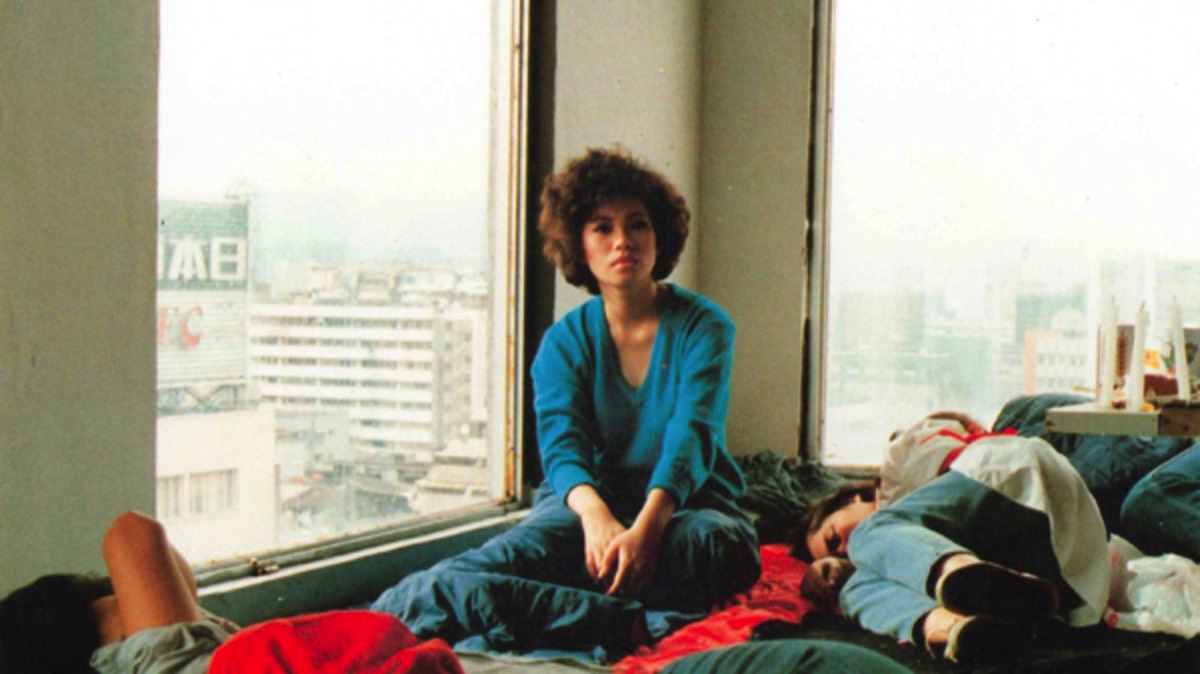
Taipei Story (1985)
"Leading contributor to Taiwan new wave of the 80s... Like others in the new wave, he pursued provocative subject matter (critiquing Taiwan's rapid industrialization), hired non-professional actors (an aesthetic choice, as well as a fiscal necessity) and employed new film technology (eschewed by the domestic film studios). His films, especially, A Brighter Summer Day (1991), have enjoyed wide acclaim." - The MacMillan International Film Encyclopedia, 1994
"Along with Hou Hsiao-hsien and Wan Jen, Edward Yang stands as one of the most recognized of Taiwan’s ‘‘New Wave’’ directors. Part of a torrent of talent that flooded international screens with innovative Chinese-language features from Hong Kong, Taiwan, and the People’s Republic of China in the 1980s, Yang’s work is New Wave in a number of different interpretations of that term. Yang’s films resemble European New Wave directors’ work because of his commitment to formal experimentation within fiction narratives. This is coupled with an interest in the use of film as social commentary and cultural critique." - Gina Marchetti (International Dictionary of Films and Filmmakers, 2000)
"Yang's seven feature films, united by his particular visual style (deliberate pacing, long takes, fixed camera, few closeups, empty spaces, cityscapes) and subject matter (the impact of the changes of Taiwanese society on the middle classes) make up an impressive body of work." - Ronald Bergan (The Guardian, 2007)
"I was the leader of the Taiwanese new wave. All these guys would just gather in my house, talking and laughing and drinking: Hou Hsiao-hsien, Wu Nien-jen -- just about all of them. You could just push open the door. Everyone just wanted to do similar things. We weren't allowed to, and no one was willing to give us any money to, but we shared all these idealistic thoughts." - Edward Yang
Selected Filmography
{{row.titlelong}}
GF Greatest Films ranking (★ Top 1000 ● Top 2500)
21C 21st Century ranking (☆ Top 1000)
T TSPDT R Jonathan Rosenbaum
21C 21st Century ranking (☆ Top 1000)
T TSPDT R Jonathan Rosenbaum
Edward Yang / Favourite Films
Aguirre: The Wrath of God (1972) Werner Herzog, L'Argent (1983) Robert Bresson, Blue Velvet (1986) David Lynch, A Clockwork Orange (1971) Stanley Kubrick, 8½ (1963) Federico Fellini, Floating Clouds (1955) Mikio Naruse, Harakiri (1962) Masaki Kobayashi, Manhattan (1979) Woody Allen, Mon oncle d'Amérique (1980) Alain Resnais, Nostalghia (1983) Andrei Tarkovsky.
Source: Sight & Sound (1992)
Aguirre: The Wrath of God (1972) Werner Herzog, L'Argent (1983) Robert Bresson, Blue Velvet (1986) David Lynch, A Clockwork Orange (1971) Stanley Kubrick, 8½ (1963) Federico Fellini, Floating Clouds (1955) Mikio Naruse, Harakiri (1962) Masaki Kobayashi, Manhattan (1979) Woody Allen, Mon oncle d'Amérique (1980) Alain Resnais, Nostalghia (1983) Andrei Tarkovsky.
Source: Sight & Sound (1992)
Edward Yang / Fan Club
Tony Rayns, Nick James, Jane Yu, Stanley Kwan, Fung Ka Ming, Filipe Furtado, Ain-Ling Wong, Apichatpong Weerasethakul, Cameron Bailey, Jonathan Rosenbaum, Li Cheuk-to, Long Tin Shum.
Tony Rayns, Nick James, Jane Yu, Stanley Kwan, Fung Ka Ming, Filipe Furtado, Ain-Ling Wong, Apichatpong Weerasethakul, Cameron Bailey, Jonathan Rosenbaum, Li Cheuk-to, Long Tin Shum.
"Fan Club"
These film critics/filmmakers have, on multiple occasions, selected this director’s work within film ballots/lists that they have submitted.
These film critics/filmmakers have, on multiple occasions, selected this director’s work within film ballots/lists that they have submitted.