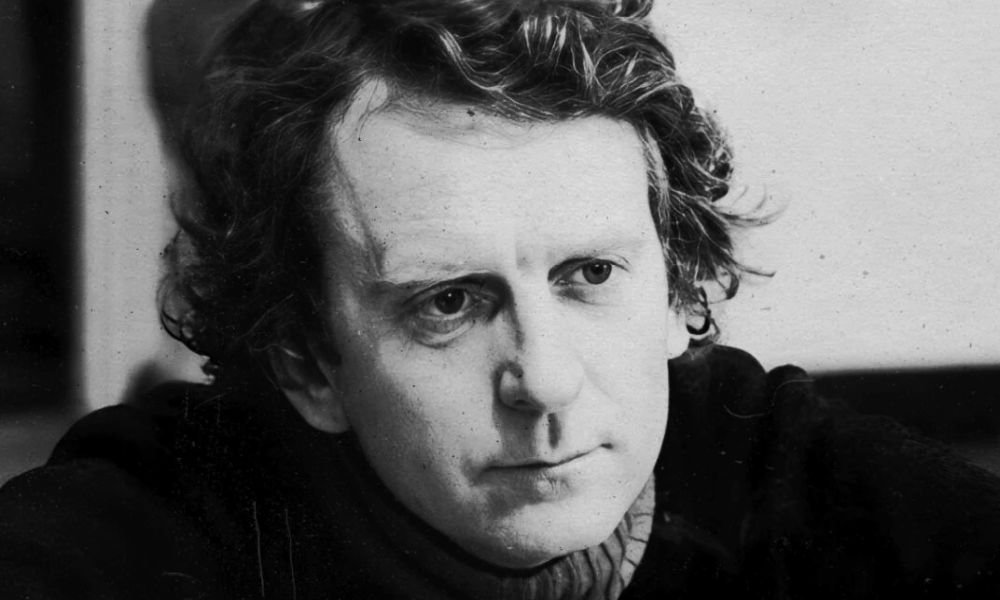
"One of the greatest strengths of Clarke's work is his reluctance to provide a reductivist solution to the myriad social concerns raised in his narratives. Instead, his movies are skillfully crafted fictions that hold a proverbial mirror up to life. Audiences may not always feel comfortable with what they see in the looking glass, but it is a reflection society ignores at its own risk." - Jay McRoy (501 Movie Directors, 2007)
Alan Clarke
Director
(1935-1990) Born October 28, Cheshire, England
(1935-1990) Born October 28, Cheshire, England
Key Production Country: UK
Key Genres: Drama, Crime, Comedy, Teen Film, Dark Comedy, Horror, Family
Key Collaborators: Steve Singleton (Editor), Steve Sweeney (Character Actor), Phil Daniels (Leading Actor), Andrew Wilde (Leading Actor), Sean Chapman (Leading Actor), John Ward (Cinematographer), John Blundell (Leading Character Actor), Jamie Leonard (Production Designer), Patrick Murray (Character Actor)
Key Genres: Drama, Crime, Comedy, Teen Film, Dark Comedy, Horror, Family
Key Collaborators: Steve Singleton (Editor), Steve Sweeney (Character Actor), Phil Daniels (Leading Actor), Andrew Wilde (Leading Actor), Sean Chapman (Leading Actor), John Ward (Cinematographer), John Blundell (Leading Character Actor), Jamie Leonard (Production Designer), Patrick Murray (Character Actor)
"Alan Clarke was a genius of TV—which means that he was better (or, to use Stephen Frears’s phrase, “more formidable”) than most regular theatrical filmmakers. He believed TV was an opportunity for looking beneath the rocks of the social order and giving voice to the anonymous, the wretched—the scum, even… Clarke is an amazing director, lucid, quick, pungent, very entertaining, unsentimental, a master with actors, and a poet for all those beasts who pace and measure the limits of their cages. No one has ever grasped the central metaphor of cramped existence in walking as well as Alan Clarke." - David Thomson (The New Biographical Dictionary of Film, 2010)
"The genius of Clarke was that he messed with ordinary millions across Britain. It wasn’t just that he scared and outraged people; it was that he did it on the telly after the local news and between adverts for Cinzano… the thought of anything as incendiary as Scum or Made in Britain turning up on TV just seems bizarre. Good luck finding a voice like Clarke in drama at all… TV is a safer, sprucer place these days: Adam Curtis is exhilarating, but it’s hard to imagine anyone ever wanting to ban him… If they think of him at all, people think of Clarke as a maker of brute social realism. But God, his films are sophisticated: Made in Britain is a masterclass of Steadicam and 360-degree lighting; The Firm an adrenal melee. And these are worlds you know Clarke knew, rather than having had them introduced to him by someone at dinner who had read a piece in one of the Sundays." - Danny Leigh (The Guardian, 2015)
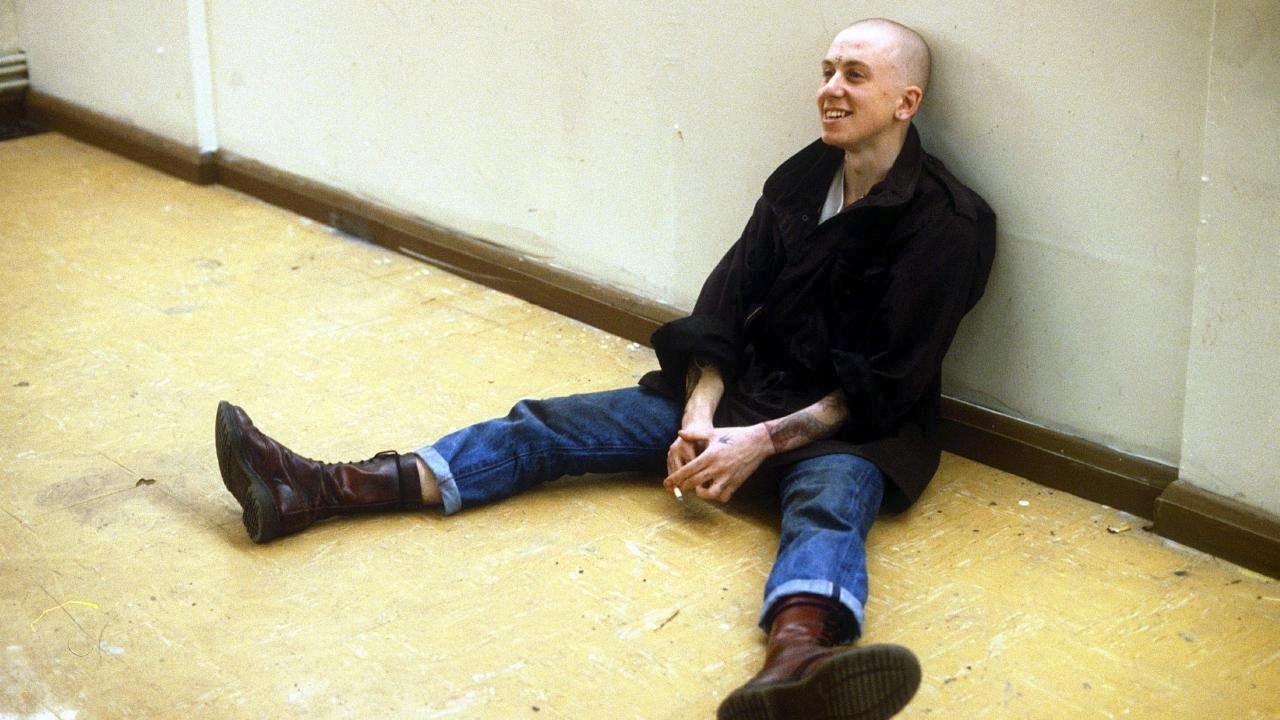
Made in Britain (1982)
"His films were less about the championing of the underdog than they were about the relentlessness of the individual, loners defeated by their environment and society, a role Clarke clearly identified with - his vocation as uncompromising film-maker paralleling the concerns of his characters." - Robert Chilcott (Contemporary British and Irish Film Directors: A Wallflower Critical Guide, 2001)
"Alan Clarke is the man who wasn’t there of British cinema. Though highly regarded by contemporaries such as Stephen Frears, Danny Boyle and Paul Greengrass, his reputation never quite garnered the same commercial reach or institutional support as those admirers. And while he’s an acknowledged influence on Harmony Korine and Gus Van Sant, his own standing as an auteur rests primarily on work made for television." - Michael Pattison (BFI, 2016)
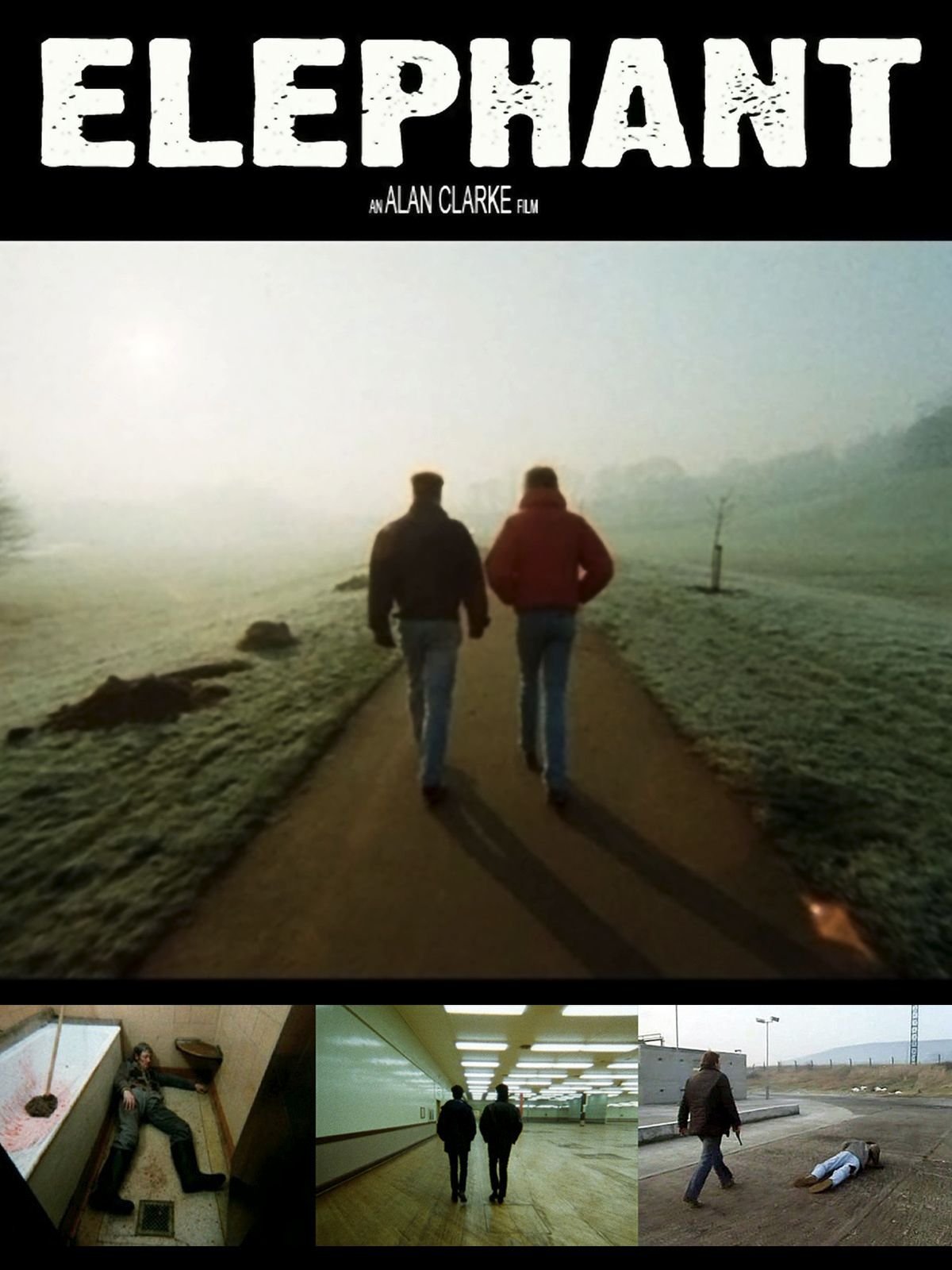
"Although he worked almost exclusively for the small screen, Clarke's stock has risen many times over since his untimely death from cancer. Writing in 1999, critic Richard Kelly called him "the most important British filmmaker to have emerged in the last thirty years - the most productive, the most prodigious, the most restlessly innovative, the most impulsively radical, the most redoubtable". Clarke directed some two dozen plays for television between 1969 and 1989, and three variable films for the cinema. Most of this work is unobtainable… An intuitive anarchist, Clarke honed his filmmaking to a point where dramaturgy was no longer relevant. In the teleplay Elephant (1989) - which was an influence on Gus Van Sant's film of the same name - he pushes towards a pure Steadicam aesthetic of volition and violation. In this, he seems a more truly cinematic figure than contemporaries Mike Leigh and Ken Loach." - Tom Charity (The Rough Guide to Film, 2007)
Selected Filmography
Loading filmography...
Alan Clarke / Fan Club
Bertrand Bonello, Kleber Mendonça Filho, Jasper Sharp, Tim Roth, Ben Wheatley, Penny Woolcock, David Leland, Gareth Evans (critic), Dan Sallitt, Sam Dunn.
Bertrand Bonello, Kleber Mendonça Filho, Jasper Sharp, Tim Roth, Ben Wheatley, Penny Woolcock, David Leland, Gareth Evans (critic), Dan Sallitt, Sam Dunn.
"Fan Club"
These film critics/filmmakers have, on multiple occasions, selected this director’s work within film ballots/lists they have submitted.
These film critics/filmmakers have, on multiple occasions, selected this director’s work within film ballots/lists they have submitted.