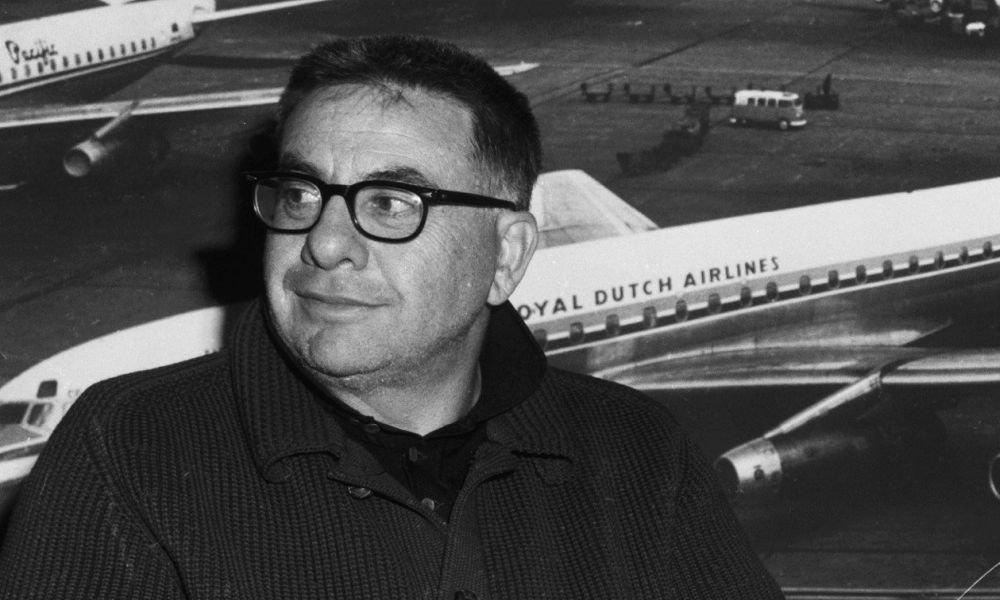
"As his roots in the Group Theater would indicate, Martin Ritt was a man with a social conscience. He had himself known misfortune: he was blacklisted during the McCarthy years of the 1950s, an odious practice that he poignantly attacks in The Front. Often, the characters in his films are underdogs, victims of racism or sexism or capitalism who live lives of quiet dignity while struggling and occasionally triumphing over adversity." - Rob Edelman (Film Reference)
Martin Ritt
Director / Producer
(1914-1990) Born March 2, New York City, New York, USA
(1914-1990) Born March 2, New York City, New York, USA
Key Production Country: USA
Key Genres: Drama, Romance, Thriller, Coming-of-Age, Political Drama, Period Drama, Workplace Drama, Tragedy, War, Comedy, Western, Crime
Key Collaborators: Harriet Frank Jr. (Screenwriter), Irving Ravetch (Screenwriter/Producer), Paul Newman (Leading Actor), Frank Bracht (Editor), Sidney Levin (Editor), Tambi Larsen (Production Designer), Walter Bernstein (Screenwriter), James Wong Howe (Cinematographer), John A. Alonzo (Cinematographer), Walter Scott Herndon (Production Designer), Sally Field (Leading Actress), Joanne Woodward (Leading Actress)
"Martin Ritt epitomized the Depression-bred liberalism that moulded post-war Hollywood. While a student, he befriended Elia Kazan, joining his Group Theater as an actor… Ritt's reputation rests on a series of literate studies of social issues, including The Long, Hot Summer (1958), This William Faulkner adaptation starred Paul Newman, and marked the beginning of a series of films the two made together… Ritt's compassionate observation of backwoods American lives has left a legacy that can be seen in independent films from Billy Bob Thornton's Sling Blade to the work of John Sayles." - Richard Armstrong (The Rough Guide to Film, 2007)
"Most of his films were quietly moving studies of human relationships, punctuated by periodic hits that gave the husky, tough-minded director freedom to deal with social issues and the alienation of outsiders… Critics argued that his idealism made some of his work sentimental and susceptible to sugar-coated themes and happily-ever-after endings. In rebuttal, he said in 1986 that "most of my pictures are concerned with the human condition." - Peter B. Flint (The New York Times, 1990)
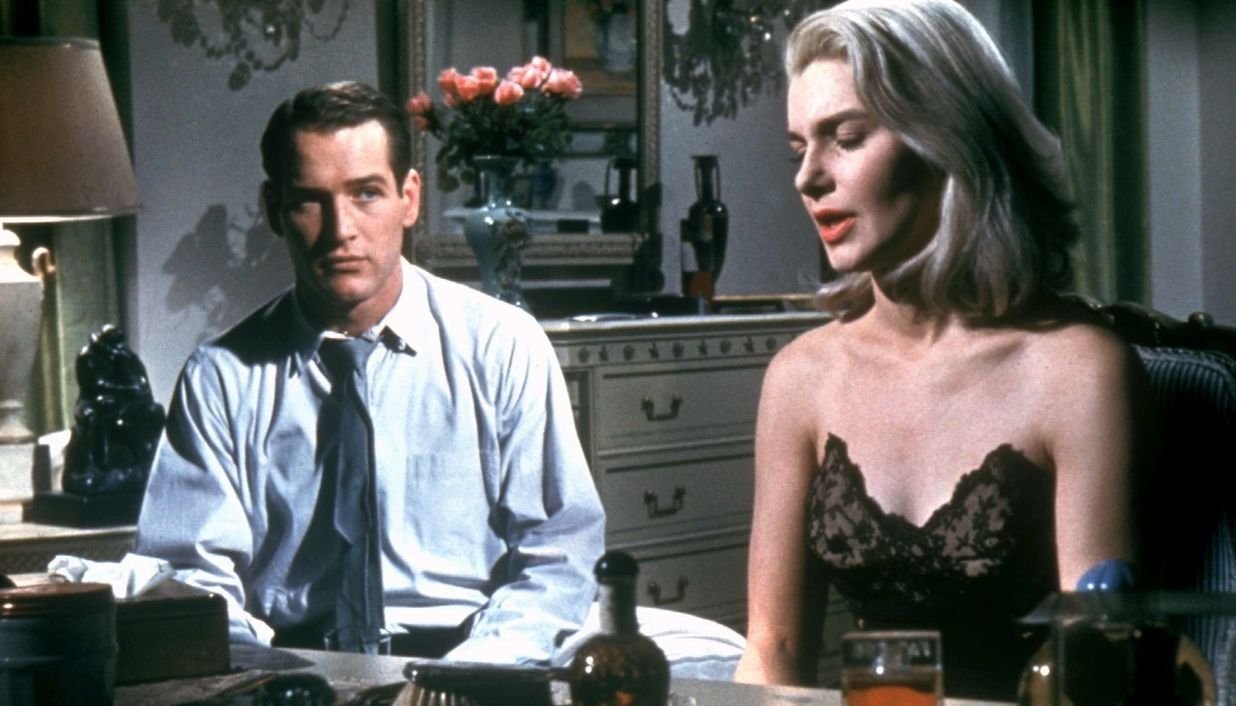
The Long, Hot Summer (1958)
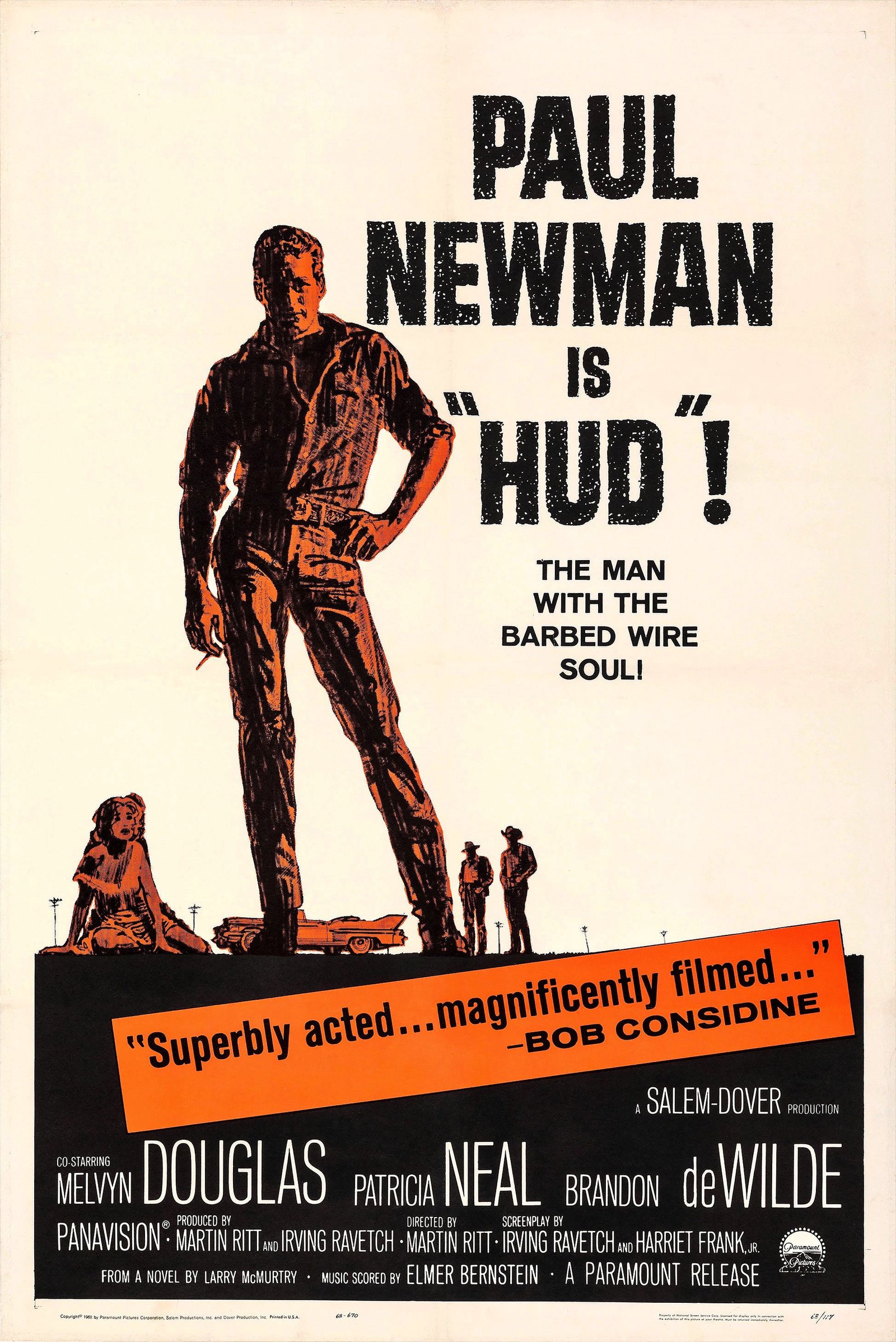
"Like Delbert Mann and others, he graduated from TV-producing to film-making and began with two interesting low-budget films, Edge of the City and No Down Payment. Later, recognized by Hollywood as a "quality" director, he made only mediocre, craftsmanlike films, though Hud, The Spy Who Came in from the Cold, and Hombre stand out above the rest." - Georges Sadoul (Dictionary of Film Makers, 1972)
"Throughout his career, Ritt remained committed to using film as a tool for social change. He was a vocal opponent of the Hollywood blacklist and worked to promote the careers of blacklisted writers and actors. Ritt’s films were often controversial in their time for their frank depiction of social and political issues, but they have since been recognised as important works of American cinema. His legacy continues to inspire filmmakers who seek to use their art to promote social justice and effect change." - Bronze Screen Dream
"After being blacklisted from working in television during the McCarthy era, Martin Ritt built a solid directing career in Hollywood, where he lived and worked for over 30 years and established a reputation for making films committed to social issues… Once established in Hollywood, Ritt would direct 26 films, many of which were successful." - The Encyclopedia of Great Filmmakers, 2002
"Far from a realist, Ritt chose heavily literary originals, most of which got the better of him. His versions of Faulkner are shamefully dull, no matter how much Fox flinched away from the density of Yoknapatawpha County. He lurched from one bizarre subject to another: missing the essence of Hemingway and Le Carré; aping Rashomon in The Outrage, but only laboring with the variety of truths; skirting around the potential of The Molly Maguires; and making one of the silliest boxing movies. Hombre is a dull Western with a flashy script; The Brotherhood is a modest Mafia story that, one suspects, Mario Puzo never forgot." - David Thomson (The New Biographical Dictionary of Film, 2010)
"A film can never be totally successful if it doesn't upset anyone." - Martin Ritt
Selected Filmography
Loading filmography...
"Fan Club"
These film critics/filmmakers have, on multiple occasions, selected this director’s work within film ballots/lists that they have submitted.
These film critics/filmmakers have, on multiple occasions, selected this director’s work within film ballots/lists that they have submitted.