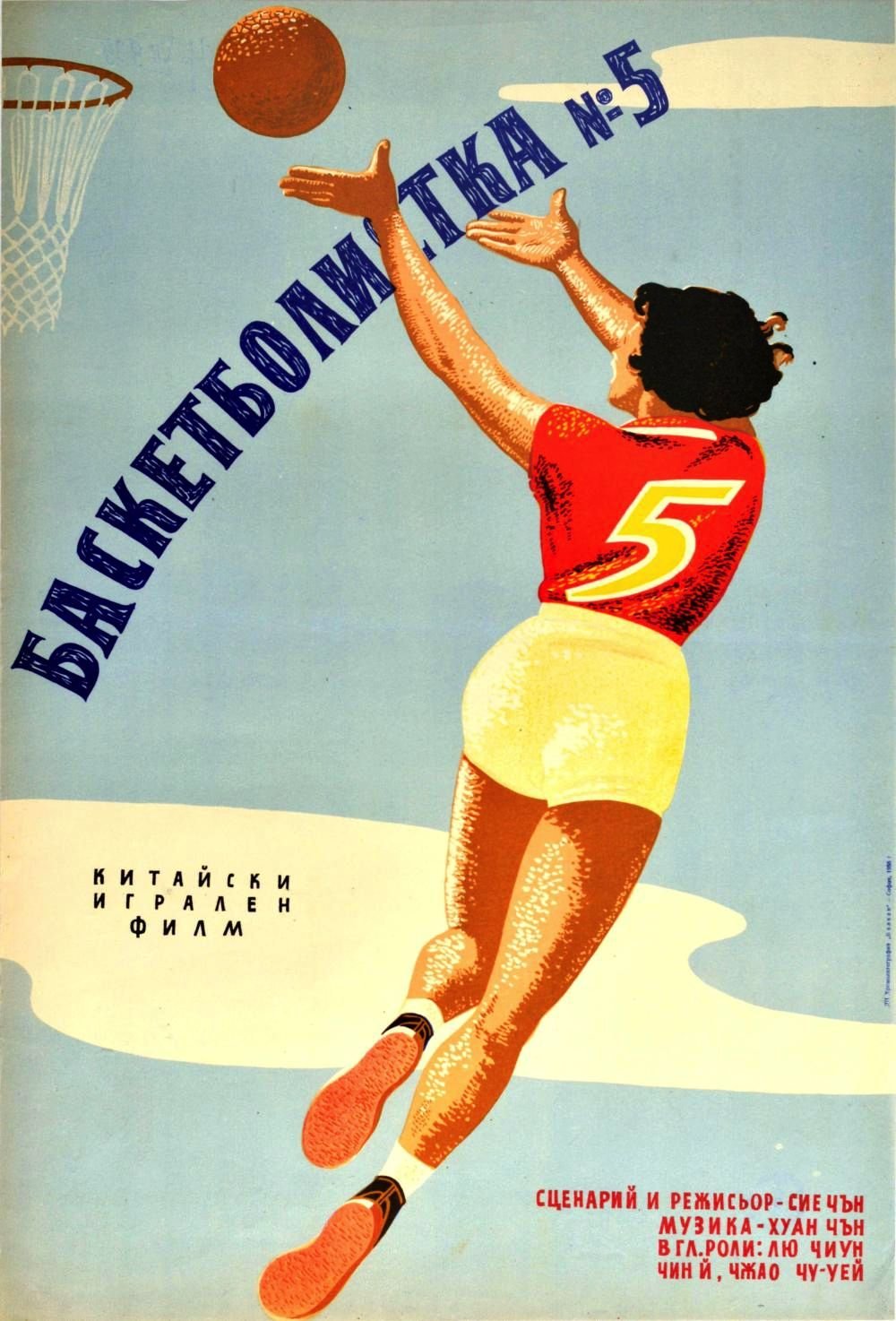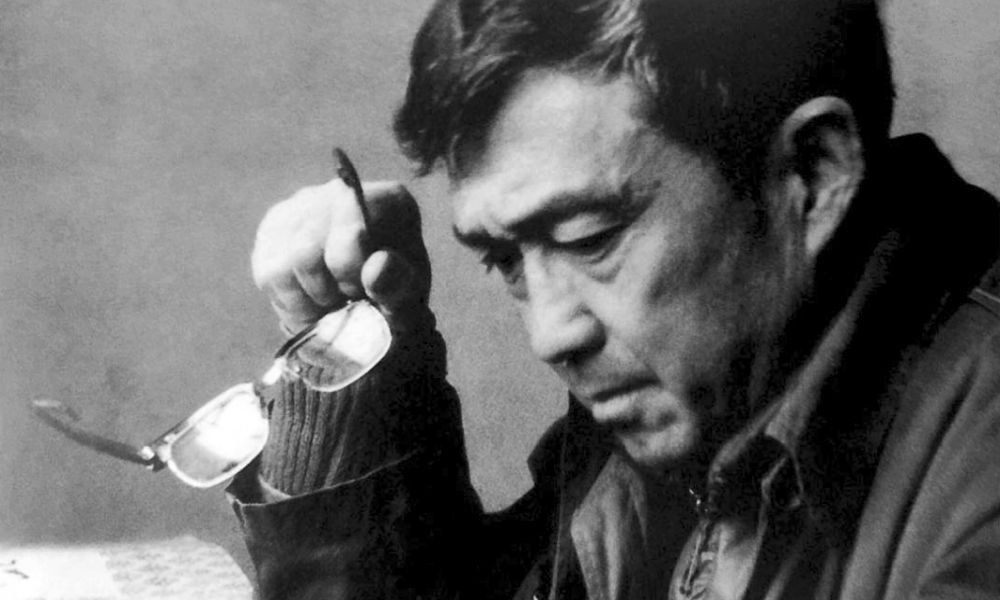
"A celebrated filmmaker who rose to prominence in the 1950s, fell out of favor at the beginning of the Cultural Revolution, rehabilitated himself during the same period and then returned to fame and popularity, in China and abroad in the 1980s, Xie Jin is one of the most remarkable artists in the history of the cinema of mainland China and, arguably, its most significant director… Since his death, his place in film history has been recognized by such contemporary filmmakers as Jia Zhangke and assured by the China Film Archive’s circulation of his work worldwide." - David Pendleton (Harvard Film Archive, 2016)
Xie Jin
Director / Screenwriter
(1923-2008) Born November 21, Zhejiang, China
(1923-2008) Born November 21, Zhejiang, China
Key Production Country: China
Key Genres: Drama, Romance, War, History, Comedy, Sport
Key Collaborators: Ge Yan (Composer), Huang Zhun (Composer), Liu Qiong (Leading Actor), Li Zhun (Screenwriter), Lu Junfu (Cinematographer), Shen Xilin (Cinematographer), Xu Qi (Cinematographer), Zhu Yongde (Cinematographer), Zhou Dingwen (Editor), Liu Ben (Leading Character Actor), Chen Shao-mian (Production Designer)
Key Genres: Drama, Romance, War, History, Comedy, Sport
Key Collaborators: Ge Yan (Composer), Huang Zhun (Composer), Liu Qiong (Leading Actor), Li Zhun (Screenwriter), Lu Junfu (Cinematographer), Shen Xilin (Cinematographer), Xu Qi (Cinematographer), Zhu Yongde (Cinematographer), Zhou Dingwen (Editor), Liu Ben (Leading Character Actor), Chen Shao-mian (Production Designer)
"Because of the length of his career, his ability to dramatize popular political sentiments, and his commitment to the melodrama as a vehicle for the expression of his aesthetic vision, Chinese filmmaker Xie Jin has been compared to Douglas Sirk and Frank Capra. Since his career spans over four decades, with contributions to every stage of the development of filmmaking from the earliest days of the post-Revolutionary period, Xie Jin must be counted as one of the most significant filmmaking veterans still making features today in the People’s Republic of China. He has not become a mere ‘‘fossil’’ tolerated by an industry grateful for his contributions in the 1950s and early 1960s. Rather, Xie continues to be controversial and exceptionally popular with Chinese audiences both inside and outside of China." - Gina Marchetti (International Dictionary of Films and Filmmakers, 2000)
"He shone brightest among those contemporaries who emerged after the establishment of the people's republic in 1949 and was one of the few directors to continue to make films during and after the cultural revolution. It was not an easy ride. Accused of bourgeois humanism, he was forced to do manual labour in the countryside and spent time under house arrest. Later, he was accused by some of being an opportunistic party hack because he was enlisted to help Mao Zedong's wife, Jiang Qing, direct the "model opera" films during her time as a member of the Gang of Four." - Ronald Bergan (The Guardian, 2008)
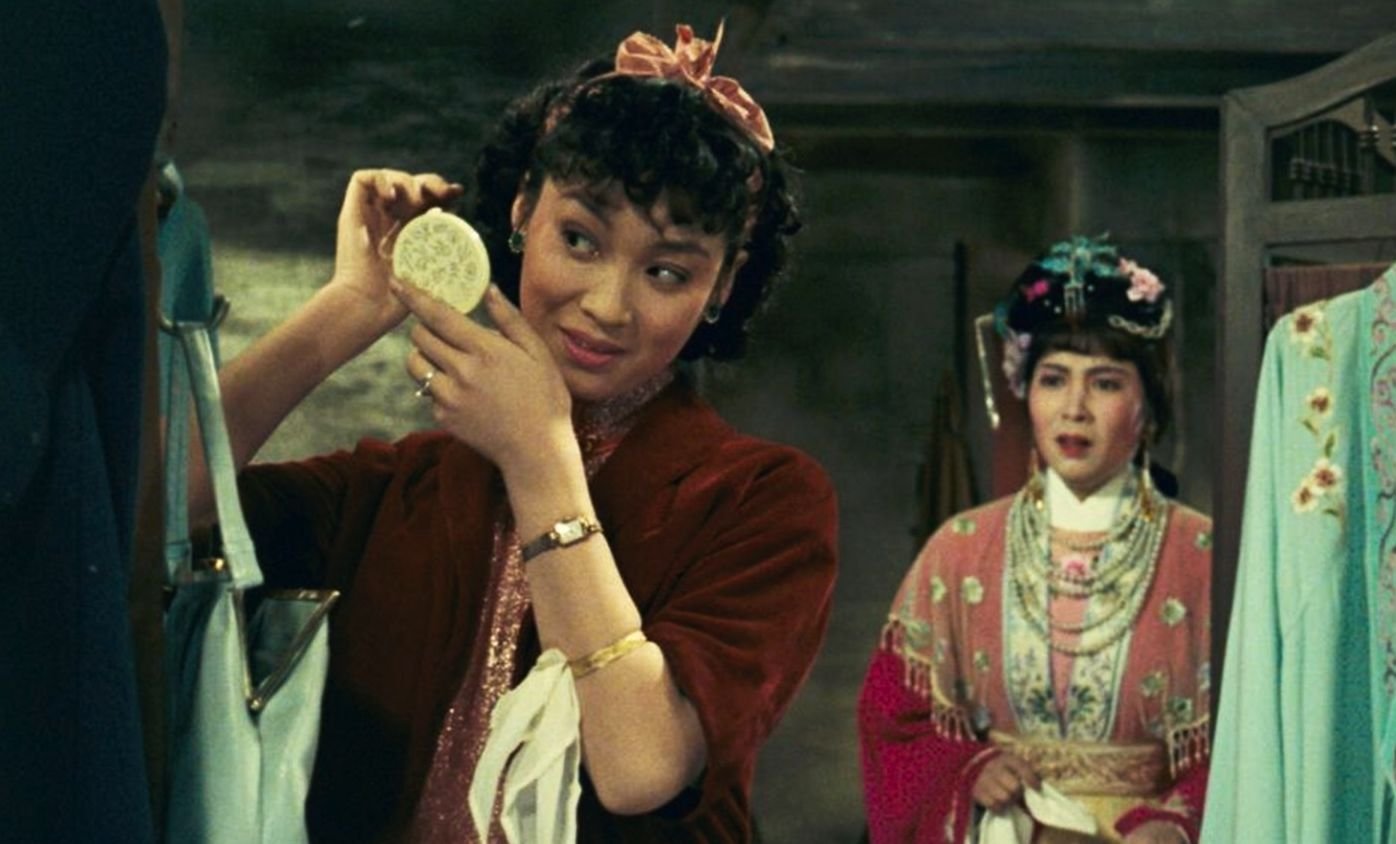
Two Stage Sisters (1964)
"Xie’s importance as director lies in his representation of a particular approach to filmmaking, one the critics have dubbed the ‘Xie Jin model’. The key elements of this model include an emphasis on Confucian values, the choice of popular subject matter, and the use of conventional melodramatic narratives. This approach became so dominant in mainland filmmaking of the 1980s that a number of younger directors attempted to force change by challenging the Xie Jin model. They rejected the conservatism of Xie’s films, particularly his defence of the current political system, but met with little success domestically." - Encyclopedia of Chinese Film, 2002
"Though obscure outside of China, Xie’s work was very popular in his own country, both with audiences and critics. Blending melodrama with socialist realism, Xie and his work greatly influenced Chinese filmmakers in the decades before and after the Cultural Revolution." - Tristan Shaw (The China Project, 2018)
"Prime figure in post-1949 Chinese cinema. He began his career after the revolution but avoided the socialist realist style of his contemporaries. Throughout his career, he has opted for stories that portray heroic (or tragic) individuals within a group (Woman Basketball Player No. 5 in 1957 and The Red Detachment of Women in 1960) or a nation (Qiou Jin in 1983). Also regarded as a "woman's director," his films have often featured professional women (actresses in Two Stage Sisters in 1964, a doctor in Youth in 1977, and a sergeant in Ah, Cradle in 1980)… During the Cultural Revolution he suffered public denouncement (including imprisonment and the separation of his family), but he was able to resume his work in the 70s with no diminution in energy or spirit." - The Film Encyclopedia, 2012
"If trouble comes, it comes, regardless of your political status. I have always only wanted to do my job. Having gone through various political crises, I've become more adamant about what I have to do and say. Often people complain that we've wasted too many years during the Cultural Revolution and made too many mistakes. But what's done cannot be undone, and it's not just one person's suffering that we're talking about. In my own films, I've tried to instill some optimism into our people." - Xie Jin (Jump Cut, 1989)
Selected Filmography
Loading filmography...