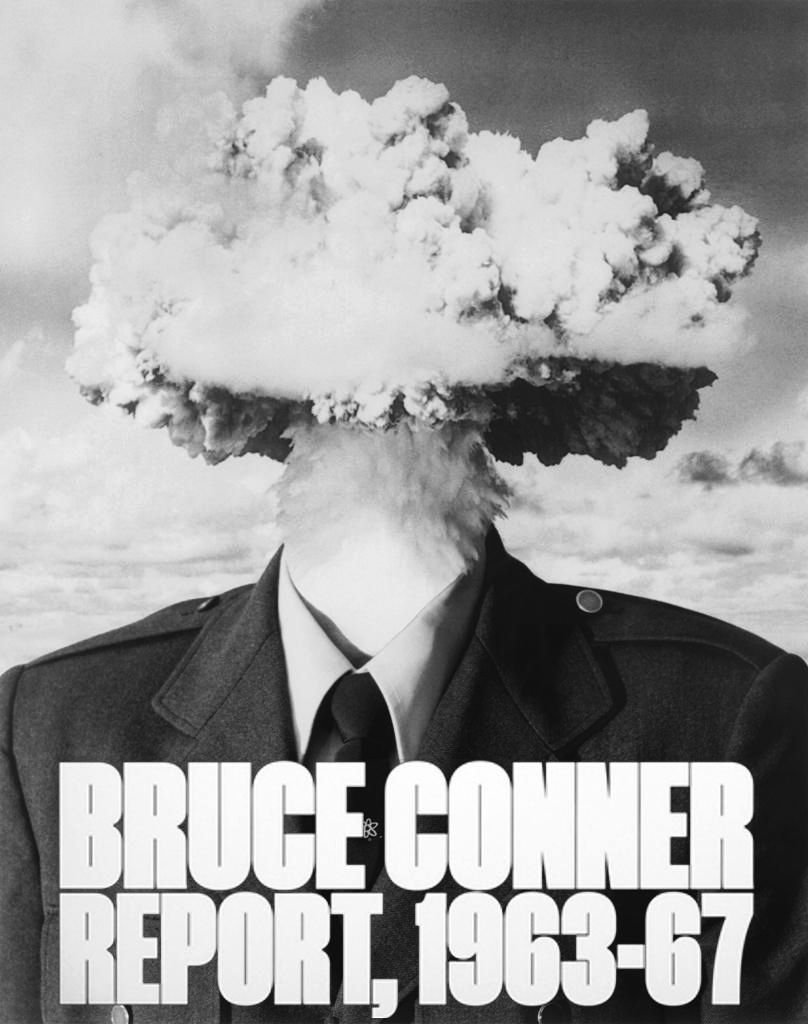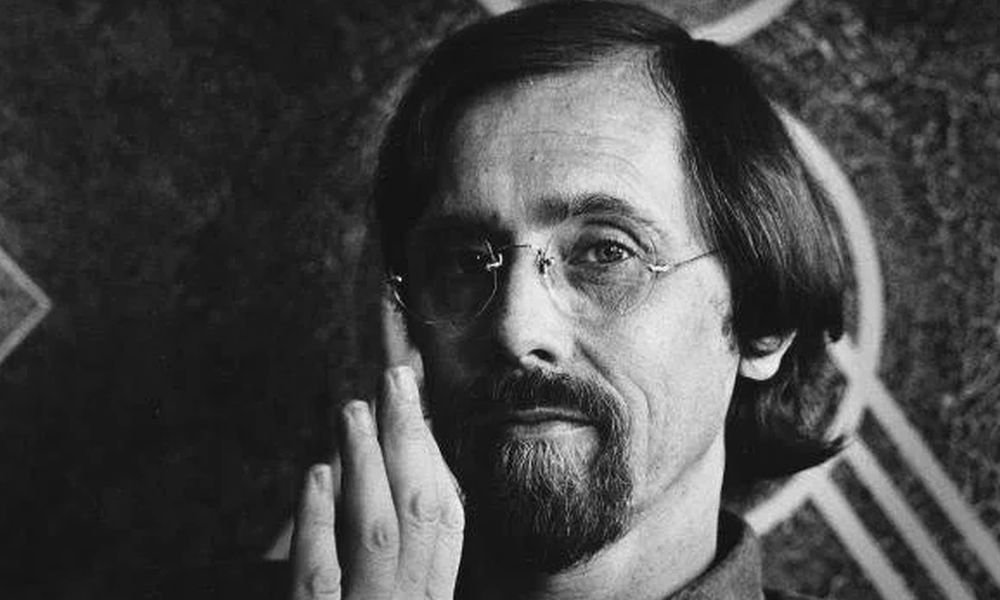
"Bruce Conner has always bristled under the political restrictions of the art world, and he has never fit into the movie marketplace, although many of his shorts—such as Mongoloid (1978) —are precursors to modern music videos. Occupying a space somewhere in the midst of several art forms, although not beholden to any one of them, Conner both excites and confounds audiences." - Garrett Chaffin-Quiray (501 Movie Directors, 2007)
Bruce Conner
Director
(1933-2008) Born November 18, McPherson, Kansas, USA
(1933-2008) Born November 18, McPherson, Kansas, USA
Key Production Country: USA
Key Genres: Short Film, Avant-garde/Experimental, Documentary, Music, History, Experimental Film
Key Collaborators: Patrick Gleeson (Composer)
Key Genres: Short Film, Avant-garde/Experimental, Documentary, Music, History, Experimental Film
Key Collaborators: Patrick Gleeson (Composer)
"A painter and a sculptor, he became involved in films after moving to San Francisco in the late 50s. Popular among underground film audiences for his rhythmic, sometimes humorous cutting, and occasional use of erotic material. His films, typically short, are often constructed from randomly assembled bits and pieces of borrowed footage." - The Film Encyclopedia, 2012
"In an age of algorithmic feeds and ragebait, the multidisciplinary artist Bruce Conner’s films feel less like artifacts and more like prophecies. American culture has always commodified dissent. Long before social media flattened history and culture into decontextualized flashes of information, the San Francisco artist was dissecting how mass media distorts our reality. By stitching together scavenged footage, he reveals the hidden rhythms of manipulation nestled within popular culture. Conner dismissed traditional filmmaking as “a rich man’s art form,” opting instead for the democratic act of hunting and recontextualizing existing footage." - Cat Beckstrand (Screen Slate, 2025)
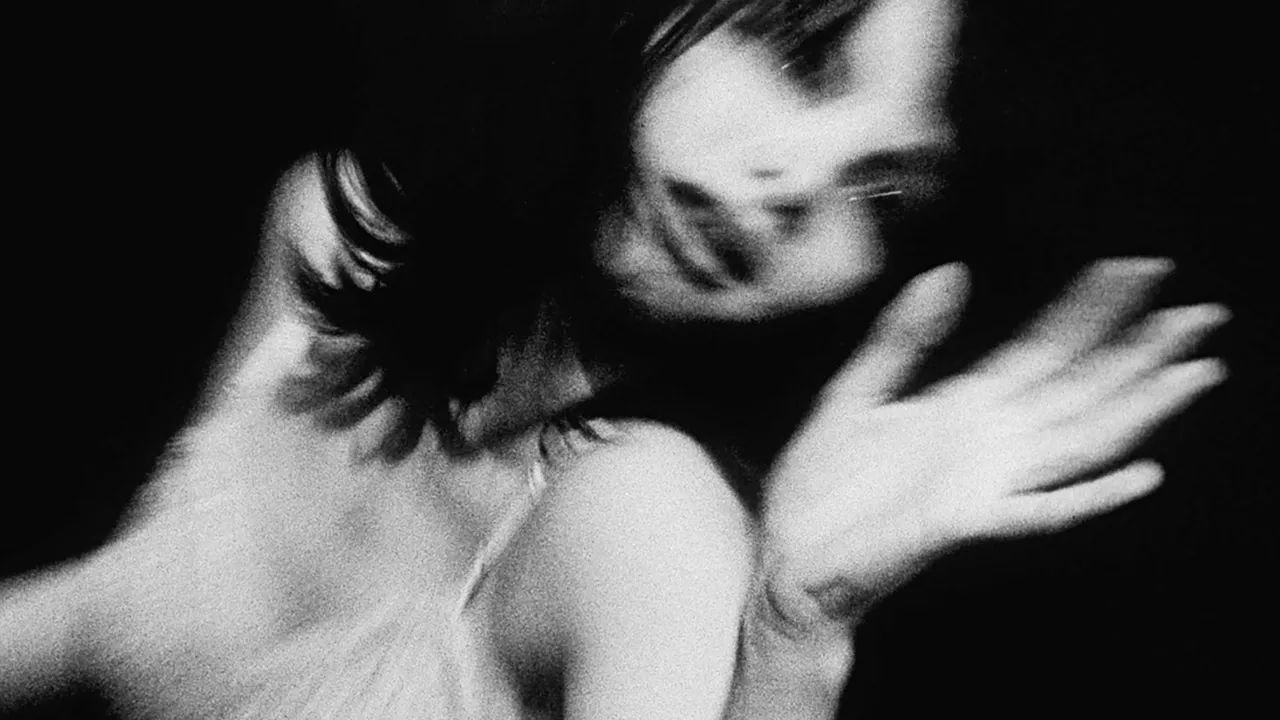
Breakaway (1966)
"Leading figure in the American avant-garde of the 1960s. His short experimental works rely on rhythmic editing, often of "found" footage, to create both humorous and politically challenging statements, as with A Movie (1958), Cosmic Ray (1961)—in which Ray Charles' What'd I Say accompanies a semi-nude go-go dancer— and Report (1965), which repeatedly shows the assassination of John F. Kennedy." - The Virgin International Encyclopedia of Film, 1992
"It is difficult to measure the profound impact of the late Bruce Conner's films upon postwar American cinema and popular culture. Perhaps most influential was Conner's unique approach to montage and the almost uncanny editorial acumen that guided his work from his very first film, the found footage masterpiece A Movie (1959). From a strictly technical standpoint, Conner's precision cutting was easily as skillful and sophisticated as that of the great Soviet masters. And yet Conner used montage to explore a far more ambiguous and multivalent register than the often politically schematic work of the Russian avant-garde. Rather than message-driven texts, Conner’s cinema refashions film and television images into haunting and illuminating textures that unleash and channel the inner, unconscious forces at work within cinema and popular media, releasing the ghosts of trauma and nostalgia from the machine. - Harvard Film Archive, 2008
"Bruce Conner was one of the foremost American artists of the postwar era. Emerging from the California art scene, in which he worked for half a century, Conner’s work touches on various themes of postwar American society, from a rising consumer culture to the dread of nuclear apocalypse. Working simultaneously in a range of mediums, Conner created hybrids of painting and sculpture, film and performance, drawing and printing… Equally a pioneer of avant-garde filmmaking, Conner developed a quick-cut method of editing that defined his oeuvre. Incorporating footage from a variety of sources—countdown leaders, training films, and newsreels—and adding later his own 16mm film footage, Conner’s films also focus on disturbing but utterly current themes. For their structural innovation and daring subject matter, films like A Movie (1958) and Crossroads (1976) have become landmarks of American experimental cinema." - The Museum of Modern Art, 2016
"When I make films, it’s because it’s an appropriate medium for me at that moment, or there’s an interest that I feel I have to work at through film. I don’t just make them for myself–I figure I have to if I am going to be producer, writer, director, cameraperson, editor, and distributor of these films, for my entire life. I usually haven’t made films that I don’t expect to see again and again. It’s not like doing a drawing or painting: you exhibit it and that’s it. They [films] do have a longer life." - Bruce Conner, 2005
Selected Filmography
Loading filmography...
Bruce Conner / Fan Club
B. Kite, David Sterritt, Ray Carney, Adrian Danks, Bruce Jenkins, Willow Catelyn Maclay, Max Carpenter, Ben Russell.
B. Kite, David Sterritt, Ray Carney, Adrian Danks, Bruce Jenkins, Willow Catelyn Maclay, Max Carpenter, Ben Russell.
"Fan Club"
These film critics/filmmakers have, on multiple occasions, selected this director’s work within film ballots/lists that they have submitted.
These film critics/filmmakers have, on multiple occasions, selected this director’s work within film ballots/lists that they have submitted.